FN Meka First AI to Sign with a Major Label (Then Dropped), Apple Announces New Devices, Twitter Drama Unfolds

I’m telling you, this Twitter deal is filled with drama and intrigue. It has everything we need for a Lifetime Network drama. Bots, billionaires, and money. Let’s get into it for this week’s top tech stories. Make sure you open up your local Internet an listen to me,  Mark Starling, John, and the First News 570 crew. This week’s hot and fresh tech news: a new zero day threatens iOS and macOS devices weeks from their new device event, an AI got signed then dropped from a major record label, and Musk, whistleblowers, and bots converge in the drama that’s the Twitter deal. You can listen to me and Mark Starling point and laugh at all things tech every Thursday at 643 am ET live on the radio or the iHeartRadio app.
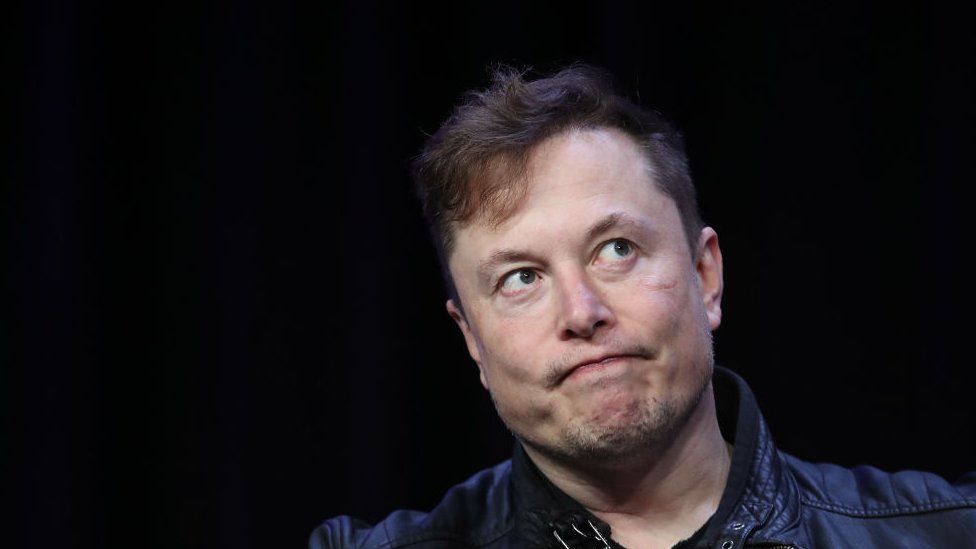
Is It Me, or Does He Have the Crazy Eyes?

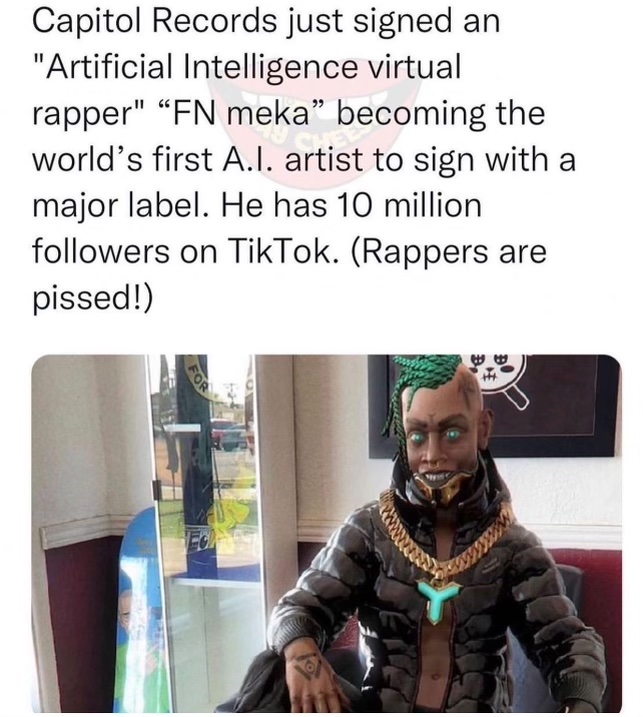
CAPITOL RECORDS FIRST TO SIGN AI RAPPER, THEN DROPS HIM, THEM, OR IT

Yesterday, Capital Records dropped the AI rapper, FN Meka, after first signing them to a deal after a controversy ensued regarding FN Meka obnoxiously appropriating black culture. Last weekend, Capitol Records was the first music label to sign an Artificially Intelligent music artist. FN Meka has a huge TikTok following with over 10 million followers and 1 billion views. FN Meka just recently released their first song, Florida Water, with Gunna, professional FortNite player Clix, and Young Thug. It sounds like every other new age rap song. smh. FN Meka is voiced by, as far as we know, a real life human, but their music is AI generated. Capitol Records said it was an evolution of their 80-year old company and a sign of what’s to come. Yeah, the same ending predicted by this season’s WestWorld. Yesterday, is a new day however, and Capitol dropped him, removed his music from streaming services, and is working to forget about the affair.

Courtesy Getty Images: Yeah, he’s thinking about how to get out of this.

TWITTER DRAMA ESCALATES AS MUSK SUES FOUNDER

Twitter news has heated up over the last 24 hours. Former Twitter security chief, Peiter Zatko, has stated Twitter had underestimated the number of bots and fake accounts on the platform and claims the company misled US regulators on its security policies. Twitter is retorting that Zatko is mad because he was fired for ineffective leadership and poor performance, and his claims are bogus. In regard to the number of fake accounts and bots, he said deliberate ignorance was the policy and Twitter executives made no effort to truly come up with an accurate count. This news comes just ahead of Elon Musk subpoenaing Twitter’s founder, Jack Dorsey, to testify on Musk’s behalf that Twitter’s numbers are fake. You may remember, Jack Dorsey stepped down as Twitter’s CEO and supported an Elon Musk takeover.

HUGE VULNERABILITY FOR MACOS AND IOS DEVICES

Apple announced a new patch for a huge iOS and macOS vulnerability. Exploits can take advantage of a bug in WebKit, the software used to render webpages in Safari and other browsers, to take control over your device. This a zero day exploit that can cover its tracks after taking data off your machine, please update your software.

On macOS

  1. Open System Preferences
  2. Navigate to Software Update
  3. Click Upgrade Now
  4. There may be a link highlighting Another update is available… click that and install the latest version of Safari

On iOS

  1. Open System Preferences
  2. Navigate to General
  3. Tap Software Update
  4. Tap Download and Install

Read about more Apple updates here.

NEW iOS MORE DEVICES PREVIEWED FOR SEPTEMBER FRUIT EVENT

Apple has confirmed the iPhone 14 will be unleashed upon the world at their September 7th event. The new phone is rumored to have the ‘notch’ removed in favor of a hole sized front camera, good riddance. A new Apple Watch series 8 device is also expected in the announcement. Tune into to your local Apple stream for details.

Triller Verzuz Timbaland & Swizz Beats in Lawsuit, Chinese Tech Companies Hand Algo Data to Government, VPNs Safe Unless You’re on iOS

Hello, hello, hello and it’s another Thursday! Guys, I have to thank you so much for your support of this weekly blog and for your ears. The Cloud has consistently provided an uptick in listens across these first three months, and has caught the attention of a major blog platform. Thanks! We’ll see what happens next.

Tune into me,  Mark Starling, John, and the First News 570 crew. This week’s hot and fresh tech news: TikTok rival: Triller fails to pay up for Verzuz purchase, Chinese tech companies hand over algo info, and VPNs safe unless you’re on iOS. You can listen to me and Mark Starling point and laugh at all things tech every Thursday at 643 am ET live on the radio or the iHeartRadio app.

And just because you know you can’t get enough of him, Elon Musk has now claimed he wants to buy Manchester United. Yes, that Manchester United. If he was joking about buying Twitter, he may be joking about buying ManU.

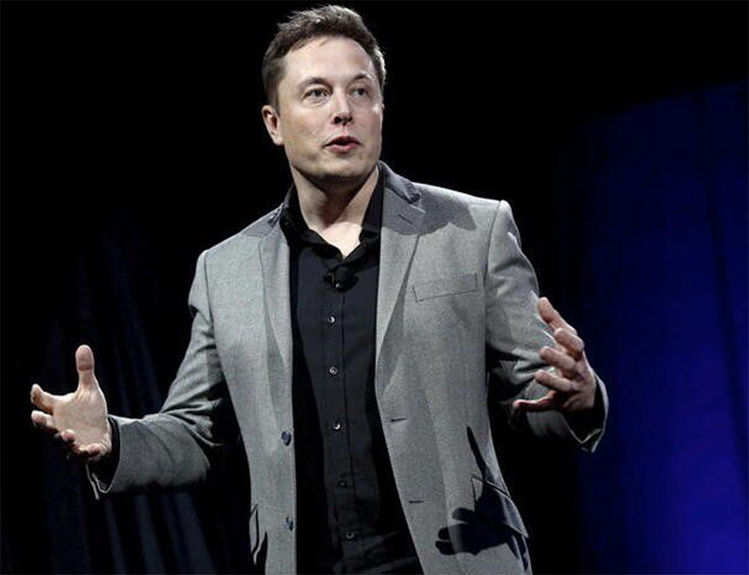
Courtesy Getty Images

TRILLER FAILS TO PAY HIP-HOP DUO FOR VERZUZ SERIES

COVID-19 provided a huge source of innovation for online content. From prolific DJs hosting nightly, online (and quarantined) remix parties, to a news anchor and his tech analyst hosting weekly happy hour segments, to Timbaland and Swizz Beats pitting R&B, rap, and soul legends against each other, online streaming acts were a big hit. Producers Timbaland and Swizz Beats created the Verzuz series pitting musical acts one-on-one in a hit-song-by-hit-song competition. Triller, a TikTok competitor, purchased the series from the producers for a reported $50 million deal in cash and stock but hasn’t paid the full amount. The producers sued for a remaining $28 million due, but Triller disputes this. This particular deal isn’t the only one Triller has been accused of welching on. For their part, Timbaland and Swizz Beats allocated 46 percent of Verzuz’s equity for the artists participating in the series.

CHINESE TECHNOLOGY COMPANIES HAND ALGO INFO TO CHINESE GOVERNMENT

Everyone has an algorithm story. Usually the kind where an ad is sent to someone that doesn’t make sense. When have I ever been interested in corn cob holders? Yesterday, the Cyberspace Administration of China has published over 30 algorithms used by some of the Chinese technology sector’s companies. Alibaba, Tencent (Chinese Facebook), and ByteDance, the parent company of TikTok, have published information relating to algorithms that recommend, suggest, and influence user behavior. Alibaba and TikTok (ByteDance) are heavily used in the United States. We all know our data is being given to someone, but usually it’s to a commercial company only caring about profit, versus a government. Here, companies like Google, Facebook, and others have successfully argued that these details are trade secrets. In China, it’s not so. Browse carefully.

NEWS YOU CAN USE: IOS VPNS HAVE BEEN LEAKING DATA FOR AT LEAST 2 YEARS

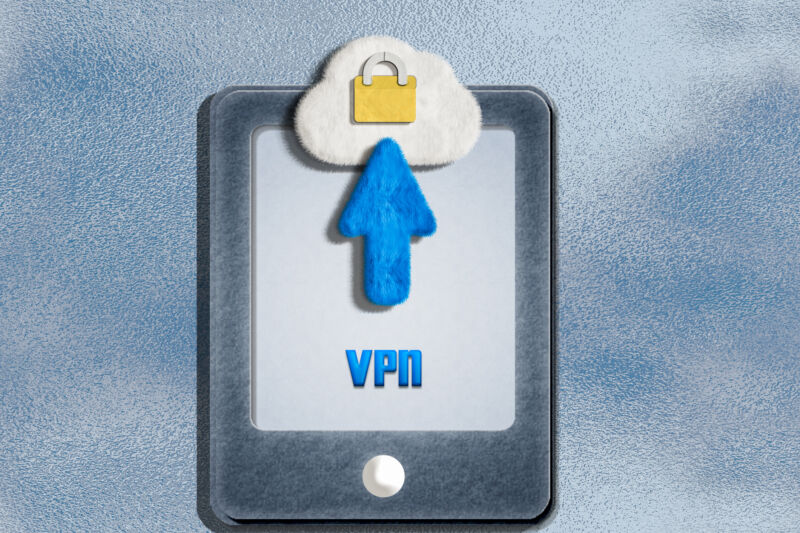
Security researcher, Michael Horowitz has reported iOS users who are using a virtual private network (VPN) to privately route their traffic may have been inadvertently leaking their data for at least 2 years. VPNs are used to create encrypted, secure, private communications on the Internet. A phone or computer connects to a VPN using a special piece of software called a VPN client. Government agencies and companies require some remote workers to use a VPN to securely connect to company information. Others use VPNs for private communications or watching Netflix in a foreign country. Horowitz discovered that iOS keeps already existing connections open while a phone is connected via VPN and can even sniff device traffic using special router logging. This hole was found on iOS 13 and above. This report is coming just before Apple’s annual September event where we’re expecting new updates to iOS and macOS from the fruit company. Again, browse carefully, and don’t simply assume your nefarious communiques are guarded.

Thanks for another week of reading Top Tech News. Please look to the right and use the subscribe option to get these stories and more in your inbox. And check out The Cloud. My monthly podcast that explores into the depths of high tech and figures out if something is hype or the real deal. This month’s episode is about cryptocurrencies.

Crypto: Is It the Future of Money?

It seems like everyone is trading cryptocurrencies these days. Everyone from Elon Musk to your grandmother are praising the benefits of cryptocurrencies but what are people really trading? 60% of Americans own cryptocurrencies in exchange for their hard earned cash. We’re joined by Cleve Mesidor, Director of the National Policy Network for Women of Color in Blockchain and explore whether or not cryptocurrencies are hype, or if they’re the future of money.

On this month’s episode of The Cloud, we dissect and explore the world of crypto.

Cleve drops some serious knowledge about cryptocurrencies, NFTs, and the unsexiness of blockchain. She also shares details about her communications to the Senate Banking Committee.

Is crypto hype, or is it the future of money. Listen to find out.

Elon Sells a Chunk-a-Tesla, Michigan Brings in Rural Broadband, Fraudsters Launder a Cool Half Billion

I’m worn out again, good people! I spent the earlier part of this week at NAMPI, a Medicare Program Integrity conference, talking about data, AI, and algorithms. It’s good to be back serving up this week’s tech news.

Tune into me,  Mark Starling, John, and the First News 570 crew. This week’s top tech news: a Michigan man brings in his own broadband service, fraudsters launder half a billion over crypto, and Musk sells a chunk more Tesla for big Twitter. You can listen to me and Mark Starling point and laugh at all things tech every Thursday at 643 am ET live on the radio or the iHeartRadio app.

An Inside Joke

FRAUDSTERS LAUNDER HALF A BILLION DOLLARS VIA CRYPTO

One reason crypto promoters hype up cryptocurrencies and blockchain is its way of delivering some transactional anonymity. The blockchain analysis group Elliptic has estimated criminals and fraudsters have laundered over $540 million using a “mixing service” called RenBridge. RenBridge is a cryptocurrency service that gives holders of one cryptocurrency the ability to covert their crypto into another. Bitcoin holders can convert their holdings into Ethereum or some other currency. RenBridge has been used to launder money for Russian and North Korean based bad guys. The US Treasury has sanctioned mixers Tornado Cash and Blender.io for providing the same services to criminals using blockchain. Here’s the think. If you really wanted to convert your currencies you could handle the trades yourself like everyone else using your Coinbase account or other. People who are deep into mixing services are operating in those areas with the idea of keeping their transactions secret to the point they are hard to track even across blockchains.

MUSK SELLS 7 BILLION TESLA SHARES IN CASE TWITTER DEAL HAPPENS

To also be filled in the, we told you so column. After claiming her wouldn’t need sell Tesla stock to finance the Twitter deal, Elon Musk sold $6.59 billion of Tesla stock. He explicitly said he needed to raise the money in case the deal actually goes through and his equity partners bail out. Now, when this whole saga started, Musk said he wouldn’t need to sell stock to purchase the company. This week, he doesn’t want to force and emergency sell off to finance the deal. The sale comes after last week’s shareholders meeting, and after Tesla unloaded $2 billion of Bitcoin it had invested in. Musk said they purchased a basket of traditional companies after unloading the crypto. I guess he wanted something more real.

MICHIGAN MAN EXTENDS HIS SMALL BROADBAND EMPIRE

There’s absolutely one thing I love, American ingenuity. Akamai network architect, Jared Mauch had a simple problem. He needed broadband access delivered to his Washtenaw County home. AT&T would only supply 1.5 megabit access, and Comcast wanted $50k to bring broadband to his house. He would have given Comcast the money if they asked for 10 thousand. Instead, Jared brought his own fiber and began providing service to his neighbors. Later, he expanded his customer base to 70 households. Now, with a $2.6 million grant from the American Rescue Plan, and a contract with the country he will be providing fiber access to more than 417 rural homes. Jared fills a legitimate gap the larger companies had no interest in. Furthermore, he’s charging decent rates! $55 per month for 100 Mbps, and $79.99 per month for 1 gigabit Internet. That’s what I’m paying Verizon in a so-called competitive market. Hats off Noah. He’s a man from my own heart. Solving problems for his community.

Hi everyone, thanks for reading this week’s top tech stories. This month’s episode of The Cloud is about crypto. I hope you enjoy it. If you haven’t checked out The Cloud it’s available at all of your local podcast outlets. Please make sure you sign up for the newsletter.

Thanks for reading and have an awesome weekend.

AT&T Runs Up Your Bills, Surgeons Separate Conjoined Twins, a New Semiconductor Shortage

I’m worn out y’all! I’m prepping for a big conference in Baltimore, and I’ve already hit 40. So, I’m running late on production for The Cloud. But the show must go on, because the tech world can’t stop, won’t stop.

Another week with  Mark Starling, John, and the First News 570 crew. This week’s top tech news: AT&T runs up customer bills with fake $1.99 charge, a new semiconductor shortage looms on the horizon, and surgeons separate conjoined twins using virtual reality. You can listen to me and Mark Starling point and laugh at all things tech every Thursday at 643 am ET live on the radio or the iHeartRadio app.

The Chip Was Conceived to Boost Semiconductor Competitiveness

ATT GETS AWAY WITH HUNDREDS OF MILLIONS IN FAKE CHARGES

AT&T has been charging customers with a $1.99 administrative charge to the tune of hundreds of millions of dollars. In 2018, a California class action lawsuit was filed against ATT on behalf of AT&T post paid customers. According to ATT’s own records, it was bilking customers an average for $180 since 2015. In May, lawyers for California and ATT reached a settlement agreement to pay a paltry $14 million to customers who have been billed. That’s between $15 and $29 per customer. And get this, they can still bill the ridiculous fee based upon the settlement. Furthermore, subscribers won’t get a check. It’ll appear as a credit on their AT&T bill only to have AT&T take it right back. This is one of the most ridiculous settlements ever made.

SURGEONS SEPERATE CONJOINED TWINS USING VR

On Monday, Brazilian surgeons separated twins, Bernard and Arthur Lima, apart using virtual reality technology. The surgeons spent months simulating the surgery using virtual projections based on CT and MRI scans. The surgeries took place in Rio de Janeiro with direction from Great Ormond Street Hospital in London. Think about it, two sets of surgical teams, communicated using Internet technologies, all the while wearing their own VR headsets. The twins underwent 7 surgeries, with over 27 hours of operating time, and 100 medical staff between two countries. These are the real potentials of technology. Not just bilking people for dollars. This is why I got into this stuff.

ANALYSIS: AFTER LEAVING MICROCHIP SHORTAGE ANOTHER LOOMS

This time because of trade policy. A day after President Biden signed The Chip Act, legislation designed to increase US microchip and semiconductor manufacturing capabilities, a short term threat to microchip shortages is a possibility. New export restrictions that will block companies based in US and allied countries from exporting semiconductor manufacturing equipment may lead to short term delays. At issue, is that everything in the Chip Act will take time. US companies such as Intel, AMD, Motorola, Qualcomm, and others have focused their design operations in the US and relied on other countries in Taiwan and…China to manufacture their designs. Right now, Taiwan is the world’s largest chip exporter, and many US companies have invested billions of dollars in China to make chips there. If export restrictions take effect, the cost and supply of chips will be impacted while US manufacturing ramps up.

My take on this, is that it’s flighty and foolish to over rely on external countries for critical items. Cheap prices, low environmental regulations, and rely lax import restrictions have led us to a point where the US can only design but can’t make.

It’s a matter of national economic security to retain industries stateside. I get economics, scale, and optimum effort, but geopolitical winds shift in a heart beat. It only makes to retain expertise for all parts of vertical integration in your own country.

I have to issue an apology. The Cloud was late going up this month. We had a last minute guest and it takes time to produce a show. The Cloud will be up and online for your listening pleasure before the weekend is out.

Thanks for listening to The Cloud and reading the blog.

🙂